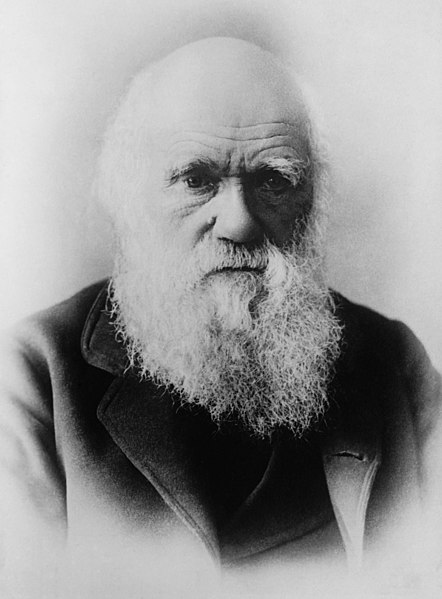
As far as explaining natural phenomena, Darwin was one of the best theoretical researchers of all time. Yet, there were a few phenomena that puzzled him for many years. One was the evolution of survival-impairing traits such as the peacock’s train, the large and brightly colored tail appendage observed in males.
Tha male peacock’s train is detrimental to the animal’s survival, and yet it is clearly an evolved trait ().
This type of trait is known as a “costly” trait – a trait that enhances biological fitness (or reproductive success, not to be confused with “gym fitness”), and yet is detrimental to the survival of the individuals who possess it (). Many costly traits have evolved in animals because of sexual selection. That is, they have evolved because they are sexy.
Costly traits seem like a contradiction in terms, but the mechanisms by which they can evolve become clear when evolution is modeled mathematically (, ). There is evidence that mental disorders may have evolved as costs of attractive mental traits (); one in particular, bipolar disorder (a.k.a. manic-depression), fits this hypothesis quite well.
Ironically, a key contributor to the mathematics used to understand costly traits, George R. Price (), might have suffered from severe bipolar disorder. Most of Price’s work in evolutionary biology was done in the 1970s; toward the end of his life, which was untimely ended by Price himself. For many years he was known mostly by evolutionary biologists, but this has changed recently with the publication of Oren Harman’s superb biographical book titled “The Price of Altruism: George Price and the Search for the Origins of Kindness” ().
Bipolar disorder is a condition characterized by disruptive mood swings. These swings are between manic and depressed states, and are analogous to the movement of a pendulum in that they alternate, seemingly gravitating around the "normal" state. See the figurative pendulum representation below, adapted from a drawing on Thinkquest.org.
Bipolar disorder is generally associated with creative intelligence, which is a very attractive trait (). Moreover, the manic state of the disorder is associated with hypersexuality and exaggerated generosity (). So one can clearly see how having bipolar disorder may lead to greater reproductive success, even as it creates long-term survival problems.
On one hand, a person may become very energetic and creative while in the manic state. This could be one of the reasons why many who suffer from bipolar disorder have fairly successful careers in fields that require creative intelligence (), which are many and not restricted to fields related to the fine and performing arts. Creative intelligence is highly valued in most knowledge-intensive professions ().
On the other hand, sustained acute mania or depression are frequently associated with serious health problems (). This is why the clinical treatment of bipolar disorder often starts with an attempt to keep the pendulum from moving too far in one direction or another. This may require medication, such as clinical doses of the elemental salt lithium, prior to cognitive behavioral therapy. The focus of cognitive behavioral therapy is on changing the way one sees and thinks about the world, particularly one’s “social world”.
Prolonged acute mania, usually accompanied by severely impaired sleep, may lead to psychosis. This, psychosis, is an extreme state characterized by hallucinations and/or delusions, leading to hospitalization in most cases. It has been theorized that depression is an involuntary compensatory adaptation () aimed at moving the pendulum in the other direction, out of the manic state, before more damage ensues ().
Elaborate approaches have been devised to treat and manage bipolar disorder treatment that involve the identification of mania and depression “prodromes” (), which are signs that a full-blown manic or depressive episode is about to start. Once prodromes are identified, cognitive behavioral therapy techniques are employed to prevent the pendulum from moving further in one direction or the other. The main goal of these techniques is to change one’s way of thinking about various issues (e.g., fears, pessimism). These techniques take years of practice to be used effectively.
Identification of prodromes and subsequent use of cognitive behavioral therapy seems to be particularly effective when dutifully applied with respect to manic episodes (). The reason for this may be related to one interesting fact related to bipolar disorder: manic episodes are not normally dreaded as much as depression episodes.
In fact, many sufferers avoid taking medication because they do not want to give up the creative and energetic bursts that come with manic episodes, even though they absolutely do not want the pendulum to go in the other direction. The problem is that, if depression is indeed a compensatory adaptation to mania, it seems reasonable to assume that extreme manic episodes are likely to be followed by extreme episodes of depression. Perhaps the key to avoid prolonged acute depression is to avoid prolonged acute mania.
As someone with bipolar disorder becomes more and more excited with novel and racing thoughts (a prodrome of mania), it would probably make sense to identify and carry out calming activities – to avoid a fall into despairing depression afterwards.
Showing posts with label evolution. Show all posts
The bipolar disorder pendulum: Depression as a compensatory adaptation
Ancestral Health Symposium 2012
I recently returned from AHS12 and a little side trip to visit family. The conference was hosted at Harvard University through the Harvard Food Law Society. Many thanks to all the organizers who made it happen. By and large, it went smoothly.
The science as expected ranged from outstanding to mediocre, but I was really encouraged by the presence and enthusiastic participation of a number of quality researchers and clinicians. The basic concept of ancestral health is something almost anyone can get behind: many of our modern health problems are due to a mismatch between the modern environment and what our bodies "expect". The basic idea is really just common sense, but of course the devil is in the details when you start trying to figure out what exactly our bodies expect, and how best to give it to them. I think our perspective as a community is moving in the right direction.
Read more »
The science as expected ranged from outstanding to mediocre, but I was really encouraged by the presence and enthusiastic participation of a number of quality researchers and clinicians. The basic concept of ancestral health is something almost anyone can get behind: many of our modern health problems are due to a mismatch between the modern environment and what our bodies "expect". The basic idea is really just common sense, but of course the devil is in the details when you start trying to figure out what exactly our bodies expect, and how best to give it to them. I think our perspective as a community is moving in the right direction.
Read more »
Why a fat brain made us more vulnerable to heart disease
Natural selection granted us large brains. The evolutionary cost is having to feed them. The human brain's high-energy demands led to development of a strong preference for fat. We consume more fat than any other primate on average. We are also adapted to more easily digest and metabolize fats.
There are two major kinds of fat that our brains depend on most for its development and regular maintenance. These are the long-chain polyunsaturated fatty acids (LC-PUFAs), omega-3 docosahexaenoic acid (DHA) and omega-6 arachidonic (AA). These two LC-PUFAs can't be made de novo, making them essential in the diet. DHA and AA are supplied by seafood, eggs, or animals. They can also be supplied as their 18-carbon precursors alpha-linolenic acid (ALA) and linoleic acid (LA), found mainly in plants and their seeds.
ALA and LA precursors require conversion to become long-chained through a series of steps of desaturation and elongation. In particular, delta-5 and delta-6 fatty acid desaturases build onto the carboxyl end of the carbon chains of the ALA and LA by introducing double bonds. These converting enzymes are rate-limiting.
The rate-limiting enzymes are encoded into the genome by FADS1 and FADS2. The FADS region has been of special interest to researchers because of variations in single-nucleotide polymorphisms (SNPs) that could lend clues about human evolution including our larger brains. Yet, to date, there have not existed any studies evaluating FADS mutations among humans and related species.
Now, researchers from Uppsala University, in Sweden, along with scientists at MIT, Harvard, and major European Universities, have found genetic variation in the FADS region in present-day humans that made them uniquely adapted to biosynthesize DHA and AA. The same adaptations could also help explain why some ethnicities have a higher susceptibility to chronic disease today.
The international team set out to investigate by using genomic data from contemporary human populations, archaic hominins, and more distant primates. They used SNP genotype data from more than 5,600 individuals across five European population cohorts. They evaluated mutations in the FADS region that are strongly associated with omega-3 and omega-6 fats.
Two common FADS haplotypes
Among present-day humans, they report, exist two common FADS haplotypes, or groups of alleles defined across a set of 28 SNPs, that are "dramatically different in their efficiency" to biosynthesize DHA and AA from he shorter ALA and LA.
Haplotype A, limited in conversion efficiency, appeared nearly 606 thousand years ago. Rhesus monkeys, chimpanzees, gorillas, and Denisovans all bear haplotypes "very similar" to haplotype A. Neandertals too, although based on incomplete sequences, have similar haplotypes to haplotype A.
Haplotype D, having greater conversion efficiency, appeared somewhere between the lineage split with Neandertals. That was around 500 thousand years ago and before the exodus from Africa some 50 to 100 thousand years ago. Both haplotypes must've been present during the exodus or else we wouldn't see the existence of them in modern humans today.
The researchers speculate that "a very rapid increase in brain size of hominoids" probably involved selection and the increased frequency of haplotype D. That does not mean that haplotype D had any direct effect on brain size, but that it was highly advantageous in environments where there was limited access to AA and DHA to feed the brain.
Haplotypes A and D in Present-day Humans
Nowadays, the researchers found, nearly all individuals of African descent had haplotype D. The high frequency indicates positive selection for the haplotype with more efficient conversion in the face of limited availability of LC-PUFAs in early Africa.
On the other hand, nearly all Native Americans had haplotype A. The reason, the researchers propose, may be because of a "bottleneck effect in the colonization of the American continent, possibly in combination with relaxation of the selective pressure as a result of a diet higher in essential LC-PUFAs."
The data are mixed in those descended from Europe, Oceania, East Asia, who are reported to have haplotype D at a greater frequency.
Health Implications
How can the knowledge of these haplotypes inform guidance on diet? The differences in haplotypes may explain why individuals of specific ethnicities may be more susceptible to chronic disease compared to others.
Individuals with haplotype D biosynthesize more AA and DHA than individuals with haplotype A. While this adaptation may have been useful on the African savannah, the researchers propose it has drawbacks as a "thrifty genotype" in our modern world. As plentiful as LA (from corn and soy) is in the Western diet, haplotype D may lead to higher levels of AA-derived pro-inflammatory eicosanoids, which raise the risk of atherosclerosis and coronary artery disease.
A different set of problems are presented for individuals with haplotype A. These individuals may be protected against a high-LA diet to a degree because of limited conversion to AA. However, they are more dependent on animal foods for adequate amounts of DHA due to inability to convert sufficient ALA to the longer-chained counterpart on a more plant-based diet.
The researchers propose, "FADS genotyping should be included as a diagnostic for dietary recommendations."
As genetic testing is not yet widely available, here's a more viable solution for the sake of a large human brain and a genome not well adapted to a high-LA diet: eat less LA; and, eat more foods enriched in long-chained omega-3s such as eggs, grass-fed animals, and seafood.
Reference
Ameur et. al. Genetic Adaptation of Fatty-Acid Metabolism: A Human-Specific Haplotype Increasing the Biosynthesis of Long-Chain Omega-3 and Omega-6 Fatty Acids. American Journal of Human Genetics, April 12, 2012 DOI: 10.1016/j.ajhg.2012.03.014
Related Posts
There are two major kinds of fat that our brains depend on most for its development and regular maintenance. These are the long-chain polyunsaturated fatty acids (LC-PUFAs), omega-3 docosahexaenoic acid (DHA) and omega-6 arachidonic (AA). These two LC-PUFAs can't be made de novo, making them essential in the diet. DHA and AA are supplied by seafood, eggs, or animals. They can also be supplied as their 18-carbon precursors alpha-linolenic acid (ALA) and linoleic acid (LA), found mainly in plants and their seeds.
ALA and LA precursors require conversion to become long-chained through a series of steps of desaturation and elongation. In particular, delta-5 and delta-6 fatty acid desaturases build onto the carboxyl end of the carbon chains of the ALA and LA by introducing double bonds. These converting enzymes are rate-limiting.
The rate-limiting enzymes are encoded into the genome by FADS1 and FADS2. The FADS region has been of special interest to researchers because of variations in single-nucleotide polymorphisms (SNPs) that could lend clues about human evolution including our larger brains. Yet, to date, there have not existed any studies evaluating FADS mutations among humans and related species.
Now, researchers from Uppsala University, in Sweden, along with scientists at MIT, Harvard, and major European Universities, have found genetic variation in the FADS region in present-day humans that made them uniquely adapted to biosynthesize DHA and AA. The same adaptations could also help explain why some ethnicities have a higher susceptibility to chronic disease today.
The international team set out to investigate by using genomic data from contemporary human populations, archaic hominins, and more distant primates. They used SNP genotype data from more than 5,600 individuals across five European population cohorts. They evaluated mutations in the FADS region that are strongly associated with omega-3 and omega-6 fats.
Two common FADS haplotypes
Among present-day humans, they report, exist two common FADS haplotypes, or groups of alleles defined across a set of 28 SNPs, that are "dramatically different in their efficiency" to biosynthesize DHA and AA from he shorter ALA and LA.
![]() |
| The 28 SNPs of two main haplotypes (A in red, D in blue) and nucleotides of species. |
Haplotype A, limited in conversion efficiency, appeared nearly 606 thousand years ago. Rhesus monkeys, chimpanzees, gorillas, and Denisovans all bear haplotypes "very similar" to haplotype A. Neandertals too, although based on incomplete sequences, have similar haplotypes to haplotype A.
Haplotype D, having greater conversion efficiency, appeared somewhere between the lineage split with Neandertals. That was around 500 thousand years ago and before the exodus from Africa some 50 to 100 thousand years ago. Both haplotypes must've been present during the exodus or else we wouldn't see the existence of them in modern humans today.
The researchers speculate that "a very rapid increase in brain size of hominoids" probably involved selection and the increased frequency of haplotype D. That does not mean that haplotype D had any direct effect on brain size, but that it was highly advantageous in environments where there was limited access to AA and DHA to feed the brain.
Haplotypes A and D in Present-day Humans
Nowadays, the researchers found, nearly all individuals of African descent had haplotype D. The high frequency indicates positive selection for the haplotype with more efficient conversion in the face of limited availability of LC-PUFAs in early Africa.
On the other hand, nearly all Native Americans had haplotype A. The reason, the researchers propose, may be because of a "bottleneck effect in the colonization of the American continent, possibly in combination with relaxation of the selective pressure as a result of a diet higher in essential LC-PUFAs."
The data are mixed in those descended from Europe, Oceania, East Asia, who are reported to have haplotype D at a greater frequency.
![]() |
| The frequencies of A (blue), D (red), and mixed (gray) haplotypes. |
Health Implications
How can the knowledge of these haplotypes inform guidance on diet? The differences in haplotypes may explain why individuals of specific ethnicities may be more susceptible to chronic disease compared to others.
Individuals with haplotype D biosynthesize more AA and DHA than individuals with haplotype A. While this adaptation may have been useful on the African savannah, the researchers propose it has drawbacks as a "thrifty genotype" in our modern world. As plentiful as LA (from corn and soy) is in the Western diet, haplotype D may lead to higher levels of AA-derived pro-inflammatory eicosanoids, which raise the risk of atherosclerosis and coronary artery disease.
A different set of problems are presented for individuals with haplotype A. These individuals may be protected against a high-LA diet to a degree because of limited conversion to AA. However, they are more dependent on animal foods for adequate amounts of DHA due to inability to convert sufficient ALA to the longer-chained counterpart on a more plant-based diet.
The researchers propose, "FADS genotyping should be included as a diagnostic for dietary recommendations."
As genetic testing is not yet widely available, here's a more viable solution for the sake of a large human brain and a genome not well adapted to a high-LA diet: eat less LA; and, eat more foods enriched in long-chained omega-3s such as eggs, grass-fed animals, and seafood.
Reference
Ameur et. al. Genetic Adaptation of Fatty-Acid Metabolism: A Human-Specific Haplotype Increasing the Biosynthesis of Long-Chain Omega-3 and Omega-6 Fatty Acids. American Journal of Human Genetics, April 12, 2012 DOI: 10.1016/j.ajhg.2012.03.014
Related Posts
Labels:
evolution,
Evolving Health,
omega-3,
omega-6
Beyond Ötzi: European Evolutionary History and its Relevance to Diet. Part III
In previous posts, I reviewed some of the evidence suggesting that human evolution has accelerated rapidly since the development of agriculture (and to some degree, before it). Europeans (and other lineages with a long history of agriculture) carry known genetic adaptations to the Neolithic diet, and there are probably many adaptations that have not yet been identified. In my final post in this series, I'll argue that although we've adapted, the adaptation is probably not complete, and we're left in a sort of genetic limbo between the Paleolithic and Neolithic state.
Recent Genetic Adaptations are Often Crude
It may at first seem strange, but many genes responsible for common genetic disorders show evidence of positive selection. In other words, the genes that cause these disorders were favored by evolution at some point because they presumably provided a survival advantage. For example, the sickle cell anemia gene protects against malaria, but if you inherit two copies of it, you end up with a serious and life-threatening disorder (1). The cystic fibrosis gene may have been selected to protect against one or more infectious diseases, but again if you get two copies of it, quality of life and lifespan are greatly curtailed (2, 3). Familial Mediterranean fever is a very common disorder in Mediterranean populations, involving painful inflammatory attacks of the digestive tract, and sometimes a deadly condition called amyloidosis. It shows evidence of positive selection and probably protected against intestinal disease due to the heightened inflammatory state it confers to the digestive tract (4, 5). Celiac disease, a severe autoimmune reaction to gluten found in some grains, may be a by-product of selection for protection against bacterial infection (6). Phenylketonuria also shows evidence of positive selection (7), and the list goes on. It's clear that a lot of our recent evolution was in response to new disease pressures, likely from increased population density, sendentism, and contact with domestic animals.
Read more »
Recent Genetic Adaptations are Often Crude
It may at first seem strange, but many genes responsible for common genetic disorders show evidence of positive selection. In other words, the genes that cause these disorders were favored by evolution at some point because they presumably provided a survival advantage. For example, the sickle cell anemia gene protects against malaria, but if you inherit two copies of it, you end up with a serious and life-threatening disorder (1). The cystic fibrosis gene may have been selected to protect against one or more infectious diseases, but again if you get two copies of it, quality of life and lifespan are greatly curtailed (2, 3). Familial Mediterranean fever is a very common disorder in Mediterranean populations, involving painful inflammatory attacks of the digestive tract, and sometimes a deadly condition called amyloidosis. It shows evidence of positive selection and probably protected against intestinal disease due to the heightened inflammatory state it confers to the digestive tract (4, 5). Celiac disease, a severe autoimmune reaction to gluten found in some grains, may be a by-product of selection for protection against bacterial infection (6). Phenylketonuria also shows evidence of positive selection (7), and the list goes on. It's clear that a lot of our recent evolution was in response to new disease pressures, likely from increased population density, sendentism, and contact with domestic animals.
Read more »
Labels:
archaeology,
celiac,
diet,
evolution,
genetics,
gluten,
Masai,
minerals,
native diet,
paleolithic diet,
phytic acid
Beyond Ötzi: European Evolutionary History and its Relevance to Diet. Part II
In previous posts, I described how Otzi was (at least in large part) a genetic descendant of Middle Eastern agriculturalists, rather than being purely descended from local hunter-gatherers who adopted agriculture in situ. I also reviewed evidence showing that modern Europeans are a genetic mixture of local European hunter-gatherers, incoming agricultural populations from the Middle East, neanderthals, and perhaps other groups. In this post, I'll describe the evidence for rapid human evolution since the end of the Paleolithic period, and research indicating that some of these changes are adaptations to the Neolithic (agricultural/horticultural/pastoral) diet.
Humans have Evolved Significantly Since the End of the Paleolithic
Evolution by natural selection leaves a distinct signature in the genome, and geneticists can detect this signature tens of thousands of years after the fact by comparing many genomes to one another. A landmark paper published in 2007 by Dr. John Hawks and colleagues showed that humans have been undergoing "extraordinarily rapid recent genetic evolution" over the last 40,000 years (1). Furthermore:
Read more »
Humans have Evolved Significantly Since the End of the Paleolithic
Evolution by natural selection leaves a distinct signature in the genome, and geneticists can detect this signature tens of thousands of years after the fact by comparing many genomes to one another. A landmark paper published in 2007 by Dr. John Hawks and colleagues showed that humans have been undergoing "extraordinarily rapid recent genetic evolution" over the last 40,000 years (1). Furthermore:
Read more »
Labels:
diet,
evolution,
native diet,
paleolithic diet
Beyond Ötzi: European Evolutionary History and its Relevance to Diet. Part I
In the previous post, I explained that Otzi descended in large part from early adopters of agriculture in the Middle East or nearby. What I'll explain in further posts is that Otzi was not a genetic anomaly: he was part of a wave of agricultural migrants that washed over Europe thousands of years ago, spreading their genes throughout. Not only that, Otzi represents a halfway point in the evolutionary process that transformed Paleolithic humans into modern humans.
Did Agriculture in Europe Spread by Cultural Transmission or by Population Replacement?
There's a long-standing debate in the anthropology community over how agriculture spread throughout Europe. One camp proposes that agriculture spread by a cultural route, and that European hunter-gatherers simply settled down and began planting grains. The other camp suggests that European hunter-gatherers were replaced (totally or partially) by waves of agriculturalist immigrants from the Middle East that were culturally and genetically better adapted to the agricultural diet and lifestyle. These are two extreme positions, and I think almost everyone would agree at this point that the truth lies somewhere in between: modern Europeans are a mix of genetic lineages, some of which originate from the earliest Middle Eastern agriculturalists who expanded into Europe, and some of which originate from indigenous hunter-gatherer groups including a small contribution from neanderthals. We know that modern-day Europeans are not simply Paleolithic mammoth eaters who reluctantly settled down and began farming.
Read more »
Did Agriculture in Europe Spread by Cultural Transmission or by Population Replacement?
There's a long-standing debate in the anthropology community over how agriculture spread throughout Europe. One camp proposes that agriculture spread by a cultural route, and that European hunter-gatherers simply settled down and began planting grains. The other camp suggests that European hunter-gatherers were replaced (totally or partially) by waves of agriculturalist immigrants from the Middle East that were culturally and genetically better adapted to the agricultural diet and lifestyle. These are two extreme positions, and I think almost everyone would agree at this point that the truth lies somewhere in between: modern Europeans are a mix of genetic lineages, some of which originate from the earliest Middle Eastern agriculturalists who expanded into Europe, and some of which originate from indigenous hunter-gatherer groups including a small contribution from neanderthals. We know that modern-day Europeans are not simply Paleolithic mammoth eaters who reluctantly settled down and began farming.
Read more »
Labels:
diet,
evolution,
genetics,
native diet,
paleolithic diet
Lessons From Ötzi, the Tyrolean Ice Man. Part III
There are two reasons why I chose this time to write about Otzi. The first is that I've been looking for a good excuse to revisit human evolutionary history, particularly that of Europeans, and what it does and doesn't tell us about the "optimal" human diet. The second is that Otzi's full genome was sequenced and described in a recent issue of Nature Communications (1). A "genome" is the full complement of genes an organism carries. So what that means is that researchers have sequenced almost all of his genes.
Read more »
Read more »
Labels:
diet,
evolution,
native diet,
paleolithic diet
Lessons From Ötzi, the Tyrolean Ice Man. Part II
Otzi's Diet
Otzi's digestive tract contains the remains of three meals. They were composed of cooked grains (wheat bread and wheat grains), meat, roots, fruit and seeds (1, 2). The meat came from three different animals-- chamois, red deer and ibex. The "wheat" was actually not what we would think of as modern wheat, but an ancestral variety called einkorn.
Isotope analysis indicates that Otzi's habitual diet was primarily centered around plant foods, likely heavily dependent on grains but also incorporating a variety of other plants (3). He died in the spring with a belly full of einkorn wheat. Since wheat is harvested in the fall, this suggests that his culture stored grain and was dependent on it for most if not all of the year. However, he also clearly ate meat and used leather made from his prey. Researchers are still debating the quantity of meat in his diet, but it was probably secondary to grains and other plant foods. It isn't known whether or not he consumed dairy.
Read more »
Otzi's digestive tract contains the remains of three meals. They were composed of cooked grains (wheat bread and wheat grains), meat, roots, fruit and seeds (1, 2). The meat came from three different animals-- chamois, red deer and ibex. The "wheat" was actually not what we would think of as modern wheat, but an ancestral variety called einkorn.
Isotope analysis indicates that Otzi's habitual diet was primarily centered around plant foods, likely heavily dependent on grains but also incorporating a variety of other plants (3). He died in the spring with a belly full of einkorn wheat. Since wheat is harvested in the fall, this suggests that his culture stored grain and was dependent on it for most if not all of the year. However, he also clearly ate meat and used leather made from his prey. Researchers are still debating the quantity of meat in his diet, but it was probably secondary to grains and other plant foods. It isn't known whether or not he consumed dairy.
Read more »
Labels:
diet,
disease,
diseases of civilization,
evolution,
infection,
native diet
Hormonal reductionism is as myopic as biochemical reductionism
Biochemistry-based arguments can be very misleading. Yet, biochemistry can be extremely useful in the elucidation of diet and lifestyle effects that are suggested by well-designed studies of humans. If you start with a biochemistry-based argument though, and ignore actual studies of humans, you can easily convince someone that glycogen-depleting exercise (e.g., weight training) is unhealthy, because many health markers change for the worse after that type of exercise. But it is the damage caused by glycogen-depleting exercise that leads to health improvements, via short- and long-term compensatory adaptations ().
Biochemistry is very helpful in terms of providing “pieces for the puzzle”, but biochemical reductionism is a problem. Analogous to biochemical reductionism, and perhaps one example of it, is hormonal reductionism – trying to argue that all diet and lifestyle effects are mediated by a single hormone. A less extreme position, but still myopic, is to argue that all diet and lifestyle effects are mostly mediated by a single hormone.
One of my own “favorite” hormones is adiponectin, which I have been discussing for years in this blog (). Increased serum adiponectin has been found to be significantly associated with: decreased body fat (particularly decreased visceral fat), decreased risk of developing diabetes type 2, and decreased blood pressure. Adiponectin appears to also have anti-inflammatory and athero-protective properties.
As a side note, typically women have higher levels of serum adiponectin than men, particularly young women. Culturally we have a tendency to see young women as “delicate” and “vulnerable”. Guess what? Young women are the closest we get to “indestructible” in the human species. And there is an evolutionary reason for that, which is that fertile women have been in our evolutionary past, and still are, the bottleneck of any population. A population of 100 individuals, where 99 are men and 1 is a woman, will quickly disappear. If it is 99 women and 1 fertile man, the population will grow; but there will also be some problems due to inbreeding. Even if the guy is ugly the population will grow; without competition, he will look very cute.
Jung and colleagues measured various hormone levels in 78 obese people who had visited obesity clinics at five university hospitals (Ajou, Ulsan, Catholic, Hanyang and Yonsei) in Korea (). Those folks restricted their caloric intake to 500 calories less than their usual intake, and exercised, for 12 weeks. Below are the measured changes in tumor necrosis factor α (TNF-α, now called only TNF), interleukin-6 (IL-6), resistin, leptin, adiponectin, and interleukin-10 (IL-10).
We see from the table above that the hormonal changes were all significant (all at the P equal to or lower than 0.001 level except one, at the P lower than 0.05 level), and all indicative of health improvements. The serum concentrations of all hormones decreased, with two exceptions – adiponectin and interleukin-10, which increased. Interleukin-10 is an anti-inflammatory hormone produced by white blood cells. The most significant increase of the two was by far in adiponectin (P = .001, versus P = .041 for interleukin-10).
Now, should we try to find a way of producing synthetic adiponectin then? My guess is that doing that will not lead to very positive results in human trials; because, as you can see from the table, hormones vary in concert. At the moment, the only way to “supplement” adiponectin is to lose body fat, and that leads to concurrent changes in many other hormones (e.g., TNF decreases).
Trying to manipulate one single hormone, or build an entire health-improvement approach based on its effects, is myopic. But that is what often happens. Leptin is a relatively recent example.
One reason why biochemistry is so complex, with so many convoluted processes, is that evolution is a tinkerer that is “blind” to complexity. Traits appear at random in populations and spread if they increase reproductive success; even if they decrease survival success, by the way ().
Evolution is not an engineer, and is not even our “friend” (). To optimize our health, we need to “hack” evolution.
Biochemistry is very helpful in terms of providing “pieces for the puzzle”, but biochemical reductionism is a problem. Analogous to biochemical reductionism, and perhaps one example of it, is hormonal reductionism – trying to argue that all diet and lifestyle effects are mediated by a single hormone. A less extreme position, but still myopic, is to argue that all diet and lifestyle effects are mostly mediated by a single hormone.
One of my own “favorite” hormones is adiponectin, which I have been discussing for years in this blog (). Increased serum adiponectin has been found to be significantly associated with: decreased body fat (particularly decreased visceral fat), decreased risk of developing diabetes type 2, and decreased blood pressure. Adiponectin appears to also have anti-inflammatory and athero-protective properties.
As a side note, typically women have higher levels of serum adiponectin than men, particularly young women. Culturally we have a tendency to see young women as “delicate” and “vulnerable”. Guess what? Young women are the closest we get to “indestructible” in the human species. And there is an evolutionary reason for that, which is that fertile women have been in our evolutionary past, and still are, the bottleneck of any population. A population of 100 individuals, where 99 are men and 1 is a woman, will quickly disappear. If it is 99 women and 1 fertile man, the population will grow; but there will also be some problems due to inbreeding. Even if the guy is ugly the population will grow; without competition, he will look very cute.
Jung and colleagues measured various hormone levels in 78 obese people who had visited obesity clinics at five university hospitals (Ajou, Ulsan, Catholic, Hanyang and Yonsei) in Korea (). Those folks restricted their caloric intake to 500 calories less than their usual intake, and exercised, for 12 weeks. Below are the measured changes in tumor necrosis factor α (TNF-α, now called only TNF), interleukin-6 (IL-6), resistin, leptin, adiponectin, and interleukin-10 (IL-10).
We see from the table above that the hormonal changes were all significant (all at the P equal to or lower than 0.001 level except one, at the P lower than 0.05 level), and all indicative of health improvements. The serum concentrations of all hormones decreased, with two exceptions – adiponectin and interleukin-10, which increased. Interleukin-10 is an anti-inflammatory hormone produced by white blood cells. The most significant increase of the two was by far in adiponectin (P = .001, versus P = .041 for interleukin-10).
Now, should we try to find a way of producing synthetic adiponectin then? My guess is that doing that will not lead to very positive results in human trials; because, as you can see from the table, hormones vary in concert. At the moment, the only way to “supplement” adiponectin is to lose body fat, and that leads to concurrent changes in many other hormones (e.g., TNF decreases).
Trying to manipulate one single hormone, or build an entire health-improvement approach based on its effects, is myopic. But that is what often happens. Leptin is a relatively recent example.
One reason why biochemistry is so complex, with so many convoluted processes, is that evolution is a tinkerer that is “blind” to complexity. Traits appear at random in populations and spread if they increase reproductive success; even if they decrease survival success, by the way ().
Evolution is not an engineer, and is not even our “friend” (). To optimize our health, we need to “hack” evolution.
Eocene Diet Follow-up
Now that WHS readers around the globe have adopted the Eocene Diet and are losing weight at an alarming rate, it's time to explain the post a little more. First, credit where credit is due: Melissa McEwen made a similar argument in her 2011 AHS talk, where she rolled out the "Cambrian Explosion Diet", which beats the Eocene Diet by about 470 million years. It was probably in the back of my head somewhere when I came up with the idea.
April Fools day is good for a laugh, but humor often has a grain of truth in it. In this case, the post was a jumping off point for discussing human evolution and what it has to say about the "optimal" human diet, if such a thing exists. Here's a preview: evolution is a continuous process that has shaped our ancestors' genomes for every generation since the beginning of life. It didn't end with the Paleolithic, in fact it accelerated, and most of us today carry meaningful adaptations to the Neolithic diet and lifestyle.
Read more »
April Fools day is good for a laugh, but humor often has a grain of truth in it. In this case, the post was a jumping off point for discussing human evolution and what it has to say about the "optimal" human diet, if such a thing exists. Here's a preview: evolution is a continuous process that has shaped our ancestors' genomes for every generation since the beginning of life. It didn't end with the Paleolithic, in fact it accelerated, and most of us today carry meaningful adaptations to the Neolithic diet and lifestyle.
Read more »
Walking Off The Influence of "Thrifty Genes"
"I can't help it, it's my genes" is a familiar phrase among frustrated dieters and gym goers who feel they can’t make the scale budge despite all efforts to reduce calories and exercise more. There may be something to their justification. After all, weight can depend partly on genetic makeup (among several other factors).
Luckily, the genetic revolution continues to churn out exciting news giving us hope that, no, we're not completely left at the mercy of the wrong kind of genes. The latest example is a study presented March 14 at the American Heart Association meeting in San Diego. The study found that people could keep their obesity genes under wraps by doing as little as turning off the tube and taking a brisk walk.
The study found that a brisk one-hour walk daily cut the influence of genes on obesity by as much as half! On the other hand, every couple of hours of watching television appeared to increase the influence of obesity genes by a quarter. That can make a major difference for the average American who watches TV for four to six hours a day.
To identify individuals for their study, the researchers determined genetic predisposition score based on more than 30 genetic variants in 7,740 women and 4,564 men from the Nurses' Health Study and Health Professionals Follow-up Study. Each variant had been previously established to have an influence on body mass index (BMI), a ratio based on an individual's height and weight used as criteria for determining overweight and obesity.
How do genes affect weight exactly? The mechanisms aren't yet clear, say the researchers, but a look at humanity's evolved past could offer some clues. The "thrifty gene" theory, for example, has it that the human body hasn’t changed much in the last 50 thousand years. The situation back then was quite different from the days of food aplenty today—in those near-famine times, our ancestors used up a lot of energy and time just searching for food, and they often went without.
A set of "thrifty genes" may have once served our ancestors to stockpile fat for use when calories were scarce. Unfortunately, those same genes in a person today can mean a serious disadvantage for shedding unwanted pounds and inches.
While genetic screening for obesity isn't available for everyone yet, it doesn't mean that people, especially those who know they have a family history of obesity, can't make use of this study's findings right away. Since our hunter-gatherer ancestors often sought out food by making long, cross-country treks, it's only sensible that the same kind of behavior today—brisk walking an hour or more a day—could lead to the release of fat.
Matt McMillen writes more about the research presented at AHA's meeting in Health Magazine and republished in CNN's The Chart.
References
References
American Heart Association Walking may lessen the influence of genes on obesity by half. March 2012. Retrieved March 15, 2012, from http://newsroom.heart.org/pr/aha/walking-may-lessen-the-influence-230079.aspx
Certain mental disorders may have evolved as costs of attractive mental traits
I find costly traits fascinating, even though they pose a serious challenge to the notion that living as we evolved to live is a good thing. It is not that they always deny this notion; sometimes they do not, but add interesting and somewhat odd twists to it.
Costly traits have evolved in many species (e.g., the male peacock’s train) because they maximize reproductive success, even though they are survival handicaps. Many of these traits have evolved through nature’s great venture capitalist – sexual selection.
Certain harmful mental disorders in humans, such as schizophrenia and manic–depression, are often seen as puzzles from an evolutionary perspective. The heritability of those mental disorders and their frequency in the population at various levels of severity suggests that they may have been evolved through selection, yet they often significantly decrease the survival prospects of those afflicted by them (Keller & Miller, 2006; Nesse & Williams, 1994).
The question often asked is why have they evolved at all? Should not they have been eliminated, instead of maintained, by selective forces? It seems that the most straightforward explanation for the existence of certain mental disorders is that they have co-evolved as costs of attractive mental traits. Not all mental disorders, however, can be explained in this way.
The telltale signs of a mental disorder that is likely to be a cost associated with a trait used in mate choice are: (a) many of the individuals afflicted are also found to have an attractive mental trait; and (b) the mental trait in question is comparatively more attractive than other mental traits that have no apparent survival costs associated with them.
The broad category of mental disorders generally referred to as schizophrenia is a good candidate in this respect because:
- Its incidence in human males is significantly correlated with creative intelligence, the type of intelligence generally displayed by successful artists, which is an attractive mental trait (Miller & Tal, 2007; Nettle, 2006b).
- Creative intelligence is considered to be one of the most attractive mental traits in human males, to the point of females at the peak of their fertility cycles finding creative but poor males significantly more attractive than uncreative but wealthy ones (Haselton & Miller, 2006).
The same generally applies to manic–depression, and a few other related mental disorders.
By the way, creative intelligence is also strongly associated with openness, one of the "big five" personality traits. And, both creative intelligence and mental disorders are seen in men and women. This is so even though it is most likely that selection pressure for creative intelligence was primarily exerted by ancestral women on men, not ancestral men on women.
Crespi (2006), in a response to a thorough and provocative argument by Keller & Miller (2006) regarding the evolutionary bases of mental disorders, makes a point that is similar to the one made above (see, also, Nettle, 2006), and also notes that schizophrenia has a less debilitating effect on human females than males.
Ancestral human females, due to their preference for males showing high levels of creative intelligence, might have also selected a co-evolved cost that affects not only males but also the females themselves though gene correlation between the sexes (Gillespie, 2004; Maynard Smith, 1998).
There is another reason why ancestral women might have possessed certain traits that they selected for in ancestral men. Like anything that involves intelligence in humans, the sex applying selection pressure (i.e., female) must be just as intelligent as (if not more than) the sex to which selection pressure is applied (i.e., males). Peahens do not have to have big and brightly colored trains to select male peacocks that have them. That is not so with anything that involves intelligence (in any of its many forms, like creative and interpersonal intelligence), because intelligence must be recognized through communication and behavior, which itself requires intelligence.
Other traits that differentiate females from males may account for differences in the actual survival cost of schizophrenia in females and males. For example, males show a greater propensity toward risk-taking than females (Buss, 1999; Miller, 2000), and schizophrenia may positively moderate the negative relationship between risk-taking propensity and survival success.
Why were some of our ancestors in the Stone Age artists, creating elaborate cave paintings, sculptures, and other art forms? Maybe because a combination of genetic mutations and environmental factors made it a sexy thing to do from around 50,000 years ago or so, even though the underlying reason why the ancestral artists produced art may also have increased the chances that some of them suffered from mental disorders.
A heritable trait possessed by males and perceived as very sexy by females has a very good chance of evolving in any population. That is so even if the trait causes the males who possess it to die much earlier than other males. In the human species, a male can father literally hundreds of children in just a few years. Unlike men, women tend to be very selective of their sexual partners, which does not mean that they cannot all select the same partner (Buss, 1999).
So, if this is true, what is the practical value of knowing it?
It seems reasonable to believe that knowing the likely source of a strange and unpleasant view of the world is, in and of itself, therapeutic. A real danger, it seems, is in seeing the world in a strange and unpleasant way (e.g., as a schizophrenic may see it), and not knowing that the distorted view is caused by an underlying reason. The stress coming from this lack of knowledge may compound the problem; the symptoms of mental disorders are often enhanced by stress.
As one seeks professional help, it may also be comforting to know that something that is actually very good, like creative intelligence, may come together with the bad stuff.
Finally, is it possible that our modern diets and lifestyles significantly exacerbate the problem? The answer is "yes", and this is a theme that has been explored many times before by Emily Deans. (See also this post, by Emily, on the connection between mental disorders and creativity.)
Reference
(All cited references are listed in the article below. If you like mathematics, this article is for you.)
Kock, N. (2011). A mathematical analysis of the evolution of human mate choice traits: Implications for evolutionary psychologists. Journal of Evolutionary Psychology, 9(3), 219-247.
Costly traits have evolved in many species (e.g., the male peacock’s train) because they maximize reproductive success, even though they are survival handicaps. Many of these traits have evolved through nature’s great venture capitalist – sexual selection.
(Source: Vangoghart.org)
Certain harmful mental disorders in humans, such as schizophrenia and manic–depression, are often seen as puzzles from an evolutionary perspective. The heritability of those mental disorders and their frequency in the population at various levels of severity suggests that they may have been evolved through selection, yet they often significantly decrease the survival prospects of those afflicted by them (Keller & Miller, 2006; Nesse & Williams, 1994).
The question often asked is why have they evolved at all? Should not they have been eliminated, instead of maintained, by selective forces? It seems that the most straightforward explanation for the existence of certain mental disorders is that they have co-evolved as costs of attractive mental traits. Not all mental disorders, however, can be explained in this way.
The telltale signs of a mental disorder that is likely to be a cost associated with a trait used in mate choice are: (a) many of the individuals afflicted are also found to have an attractive mental trait; and (b) the mental trait in question is comparatively more attractive than other mental traits that have no apparent survival costs associated with them.
The broad category of mental disorders generally referred to as schizophrenia is a good candidate in this respect because:
- Its incidence in human males is significantly correlated with creative intelligence, the type of intelligence generally displayed by successful artists, which is an attractive mental trait (Miller & Tal, 2007; Nettle, 2006b).
- Creative intelligence is considered to be one of the most attractive mental traits in human males, to the point of females at the peak of their fertility cycles finding creative but poor males significantly more attractive than uncreative but wealthy ones (Haselton & Miller, 2006).
The same generally applies to manic–depression, and a few other related mental disorders.
By the way, creative intelligence is also strongly associated with openness, one of the "big five" personality traits. And, both creative intelligence and mental disorders are seen in men and women. This is so even though it is most likely that selection pressure for creative intelligence was primarily exerted by ancestral women on men, not ancestral men on women.
Crespi (2006), in a response to a thorough and provocative argument by Keller & Miller (2006) regarding the evolutionary bases of mental disorders, makes a point that is similar to the one made above (see, also, Nettle, 2006), and also notes that schizophrenia has a less debilitating effect on human females than males.
Ancestral human females, due to their preference for males showing high levels of creative intelligence, might have also selected a co-evolved cost that affects not only males but also the females themselves though gene correlation between the sexes (Gillespie, 2004; Maynard Smith, 1998).
There is another reason why ancestral women might have possessed certain traits that they selected for in ancestral men. Like anything that involves intelligence in humans, the sex applying selection pressure (i.e., female) must be just as intelligent as (if not more than) the sex to which selection pressure is applied (i.e., males). Peahens do not have to have big and brightly colored trains to select male peacocks that have them. That is not so with anything that involves intelligence (in any of its many forms, like creative and interpersonal intelligence), because intelligence must be recognized through communication and behavior, which itself requires intelligence.
Other traits that differentiate females from males may account for differences in the actual survival cost of schizophrenia in females and males. For example, males show a greater propensity toward risk-taking than females (Buss, 1999; Miller, 2000), and schizophrenia may positively moderate the negative relationship between risk-taking propensity and survival success.
Why were some of our ancestors in the Stone Age artists, creating elaborate cave paintings, sculptures, and other art forms? Maybe because a combination of genetic mutations and environmental factors made it a sexy thing to do from around 50,000 years ago or so, even though the underlying reason why the ancestral artists produced art may also have increased the chances that some of them suffered from mental disorders.
A heritable trait possessed by males and perceived as very sexy by females has a very good chance of evolving in any population. That is so even if the trait causes the males who possess it to die much earlier than other males. In the human species, a male can father literally hundreds of children in just a few years. Unlike men, women tend to be very selective of their sexual partners, which does not mean that they cannot all select the same partner (Buss, 1999).
So, if this is true, what is the practical value of knowing it?
It seems reasonable to believe that knowing the likely source of a strange and unpleasant view of the world is, in and of itself, therapeutic. A real danger, it seems, is in seeing the world in a strange and unpleasant way (e.g., as a schizophrenic may see it), and not knowing that the distorted view is caused by an underlying reason. The stress coming from this lack of knowledge may compound the problem; the symptoms of mental disorders are often enhanced by stress.
As one seeks professional help, it may also be comforting to know that something that is actually very good, like creative intelligence, may come together with the bad stuff.
Finally, is it possible that our modern diets and lifestyles significantly exacerbate the problem? The answer is "yes", and this is a theme that has been explored many times before by Emily Deans. (See also this post, by Emily, on the connection between mental disorders and creativity.)
Reference
(All cited references are listed in the article below. If you like mathematics, this article is for you.)
Kock, N. (2011). A mathematical analysis of the evolution of human mate choice traits: Implications for evolutionary psychologists. Journal of Evolutionary Psychology, 9(3), 219-247.
Great evolution thinkers you should know about
If you follow a paleo diet, you follow a diet that aims to be consistent with evolution. This is a theory that has undergone major changes and additions since Alfred Russel Wallace and Charles Darwin proposed it in the 1800s. Wallace proposed it first, by the way, even though Darwin’s proposal was much more elaborate and supported by evidence. Darwin acknowledged Wallace's precedence, but received most of the credit for the theory anyway.
What many people who describe themselves as paleo do not seem to know is how the theory found its footing. The original Wallace-Darwin theory (a.k.a. Darwin’s theory) had some major problems, notably the idea of blending inheritance (e.g., blue eye + brown eye = somewhere in between), which led it to be largely dismissed until the early 1900s. Ironically, it was the work of a Catholic priest that provided the foundation on which the theory of evolution would find its footing, and evolve into the grand theory that it is today. We are talking about Gregor Johann Mendel.
Much of the subsequent work that led to our current understanding of evolution sought to unify the theory of genetics, pioneered by Mendel, with the basic principles proposed as part of the Wallace-Darwin theory of evolution. That is where major progress was made. The evolution thinkers below are some of the major contributors to that progress.
Ronald A. Fisher. English statistician who proposed key elements of a genetic theory of natural selection in the 1910s, 1920s and 1930s. Fisher showed that the inheritance of discrete traits (e.g., flower color) described by Gregor Mendel has the same basis as the inheritance of continuous traits (e.g., human height) described by Francis Galton. He is credited, together with John B.S. Haldane and Sewall G. Wright, with setting the foundations for the development of the field of population genetics. In population genetics the concepts and principles of the theories of evolution (e.g., inheritance and natural selection of traits) and genetics (e.g., genes and alleles) have been integrated and mathematically formalized.
John B.S. Haldane. English geneticist who, together with Ronald A. Fisher and Sewall G. Wright, is credited with setting the foundations for the development of the field of population genetics. Much of his research was conducted in the 1920s and 1930s. Particularly noteworthy is the work by Haldane through which he mathematically modeled and explained the interactions between natural selection, mutation, and migration. He is also known for what is often referred to as Haldane’s principle, which explains the direction of the evolution of many species’ traits based on the body size of the organisms of the species. Haldane’s mathematical formulations also explained the rapid spread of traits observed in some actual populations of organisms, such as the increase in frequency of dark-colored moths from 2% to 95% in a little less than 50 years as a response to the spread of industrial soot in England in the late 1800s.
Sewall G. Wright. American geneticist and statistician who, together with Ronald A. Fisher and John B.S. Haldane, is credited with setting the foundations for the development of the field of population genetics. As with Fisher and Haldane, much of his original and most influential research was conducted in the 1920s and 1930s. He is believed to have discovered the inbreeding coefficient, related to the occurrence of identical genes in different individuals, and to have pioneered methods for the calculation of gene frequencies among populations of organisms. The development of the notion of genetic drift, where some of a population’s traits result from random genetic changes instead of selection, is often associated with him. Wright is also considered to be one of pioneers of the development of the statistical method known as path analysis.
Theodosius G. Dobzhansky. Ukrainian-American geneticist and evolutionary biologist who migrated to the United States in the late 1920s, and is believed to have been one of the main architects of the modern evolutionary synthesis. Much of his original research was conducted in the 1930s and 1940s. In the 1930s he published one of the pillars of the modern synthesis, a book titled Genetics and the Origin of Species. The modern evolutionary synthesis is closely linked with the emergence of the field of population genetics, and is associated with the integration of various ideas and predictions from the fields of evolution and genetics. In spite of Dobzhansky’s devotion to religious principles, he strongly defended Darwinian evolution against modern creationism. The title of a famous essay written by him is often cited in modern debates between evolutionists and creationists regarding the teaching of evolution in high schools: Nothing in Biology Makes Sense Except in the Light of Evolution.
Ernst W. Mayr. German taxonomist and ornithologist who spent most of his life in the United States, and is believed, like Theodosius G. Dobzhansky, to have been one of the main architects of the modern evolutionary synthesis. Mayr is credited with the development in the 1940s of the most widely accepted definition of species today, that of a group of organisms that are capable of interbreeding and producing fertile offspring. At that time organisms that looked alike were generally categorized as being part of the same species. Mayr served as a faculty member at Harvard University for many years, where he also served as the director of the Museum of Comparative Zoology. He lived to the age of 100 years, and was one of the most prolific scholars ever in the field of evolutionary biology. Unlike many evolution theorists, he was very critical of the use of mathematical approaches to the understanding of evolutionary phenomena.
William D. Hamilton. English evolutionary biologist (born in Egypt) widely considered one of the greatest evolution theorists of the 20th Century. Hamilton conducted pioneering research based on the gene-centric view of evolution, also know as the “selfish gene” perspective, which is based on the notion that the unit of natural selection is the gene and not the organism that carries the gene. His research conducted in the 1960s set the foundations for using this notion to understand social behavior among animals. The notion that the unit of natural selection is the gene forms the basis of the theory of kin selection, which explains why organisms often will instinctively behave in ways that will maximize the reproductive success of relatives, sometimes to the detriment of their own reproductive success (e.g., worker ants in an ant colony).
George C. Williams. American evolutionary biologist believed to have been a co-developer in the 1960s, together with William D. Hamilton, of the gene-centric view of evolution. This view is based on the notion that the unit of natural selection is the gene, and not the organism that carries the gene or a group of organisms that happens to share the gene. Williams is also known for his pioneering work on the evolution of sex as a driver of genetic variation, without which a species would adapt more slowly in response to environmental pressures, in many cases becoming extinct. He is also known for suggesting possible uses of human evolution knowledge in the field of medicine.
Motoo Kimura. Japanese evolutionary biologist known for proposing the neutral theory of molecular evolution in the 1960s. In this theory Kimura argued that one of the main forces in evolution is genetic drift, a stochastic process that alters the frequency of genotypes in a population in a non-deterministic way. Kimura is widely known for his innovative use of a class of partial differential equations, namely diffusion equations, to calculate the effect of natural selection and genetic drift on the fixation of genotypes. He has developed widely used equations to calculate the probability of fixation of genotypes that code for certain phenotypic traits due to genetic drift and natural selection.
George R. Price. American geneticist known for refining in the 1970s the mathematical formalizations developed by Ronald A. Fisher and William D. Hamilton, and thus making significant contributions to the development of the field of population genetics. He developed the famous Price Equation, which has found widespread use in evolutionary theorizing. Price is also known for introducing, together with John Maynard Smith, the concept of evolutionary stable strategy (ESS). The EES notion itself builds on the Nash Equilibrium, named after its developer John Forbes Nash (portrayed in the popular Hollywood film A Beautiful Mind). The concept of EES explains why certain evolved traits spread and become fixed in a population.
John Maynard Smith. English evolutionary biologist and geneticist credited with several innovative applications of game theory (which is not actually a theory, but an applied branch of mathematics) in the 1970s to the understanding of biological evolution. Maynard Smith is also known for introducing, together with George R. Price, the concept of evolutionary stable strategy (EES). As noted above, the EES notion builds on the Nash Equilibrium, and explains why certain evolved traits spread and become fixed in a population. The pioneering work by John Maynard Smith has led to the emergence of a new field of research within evolutionary biology known as evolutionary game theory.
Edward O. Wilson. American evolutionary biologist and naturalist who coined the term “sociobiology” in the 1970s to refer to the systematic study of the biological foundations of social behavior of animals, including humans. Wilson was one of the first evolutionary biologists to convincingly argue that human mental mechanisms are shaped as much by our genes as they are by the environment that surrounds us, setting the stage for the emergence of the field of evolutionary psychology. Many of Wilson’s theoretical contributions in the area of sociobiology are very general, and apply not only to humans but also to other species. Wilson has been acknowledged as one of the foremost experts in the study of ants’ and other insects’ social organizations. He is also known for his efforts to preserve earth’s environment.
Amotz Zahavi. Israeli evolutionary biologist best known for his widely cited handicap principle, proposed in the 1970s, which explains the evolution of fitness signaling traits that appear to be detrimental to the reproductive fitness of an organism. Zahavi argued that traits evolved to signal the fitness status of an organism must be costly in order to the reliable. An example is the large and brightly colored trains evolved by the males of the peacock species, which signal good health to the females of the species. The male peacock’s train makes it more vulnerable to predators, and as such is a costly indicator of survival success. Traits used for this type of signaling are often referred to as Zahavian traits.
Robert L. Trivers. American evolutionary biologist and anthropologist who proposed several influential theories in the 1970s, including the theories of reciprocal altruism, parental investment, and parent-offspring conflict. Trivers is considered to be one of the most influential living evolutionary theorists, and is a very active researcher and speaker. His most recent focus is on the study of body symmetry and its relationship with various traits that are hypothesized to have been evolved in our ancestral past. Trivers’s theories often explain phenomena that are observed in nature but are not easily understood based on traditional evolutionary thinking, and in some cases appear contradictory with that thinking. Reciprocal altruism, for example, is a phenomenon that is widely observed in nature and involves one organism benefiting another not genetically related organism, without any immediate gain to the organism (e.g., vampire bats regurgitating blood to feed non-kin).
There are many other more recent contributors that could arguably be included in the list above. Much recent progress has been made in interdisciplinary fields that could be seen as new fields of research inspired in evolutionary ideas. One such field is that of evolutionary psychology, which has emerged in the 1980s. New theoretical contributions tend to take some time to be recognized though, as will be the case with ideas coming off these new fields, because new theoretical contributions are invariably somewhat flawed and/or incomplete when they are originally proposed.
(Alfred Russel Wallace; source: Wikipedia)
What many people who describe themselves as paleo do not seem to know is how the theory found its footing. The original Wallace-Darwin theory (a.k.a. Darwin’s theory) had some major problems, notably the idea of blending inheritance (e.g., blue eye + brown eye = somewhere in between), which led it to be largely dismissed until the early 1900s. Ironically, it was the work of a Catholic priest that provided the foundation on which the theory of evolution would find its footing, and evolve into the grand theory that it is today. We are talking about Gregor Johann Mendel.
Much of the subsequent work that led to our current understanding of evolution sought to unify the theory of genetics, pioneered by Mendel, with the basic principles proposed as part of the Wallace-Darwin theory of evolution. That is where major progress was made. The evolution thinkers below are some of the major contributors to that progress.
Ronald A. Fisher. English statistician who proposed key elements of a genetic theory of natural selection in the 1910s, 1920s and 1930s. Fisher showed that the inheritance of discrete traits (e.g., flower color) described by Gregor Mendel has the same basis as the inheritance of continuous traits (e.g., human height) described by Francis Galton. He is credited, together with John B.S. Haldane and Sewall G. Wright, with setting the foundations for the development of the field of population genetics. In population genetics the concepts and principles of the theories of evolution (e.g., inheritance and natural selection of traits) and genetics (e.g., genes and alleles) have been integrated and mathematically formalized.
John B.S. Haldane. English geneticist who, together with Ronald A. Fisher and Sewall G. Wright, is credited with setting the foundations for the development of the field of population genetics. Much of his research was conducted in the 1920s and 1930s. Particularly noteworthy is the work by Haldane through which he mathematically modeled and explained the interactions between natural selection, mutation, and migration. He is also known for what is often referred to as Haldane’s principle, which explains the direction of the evolution of many species’ traits based on the body size of the organisms of the species. Haldane’s mathematical formulations also explained the rapid spread of traits observed in some actual populations of organisms, such as the increase in frequency of dark-colored moths from 2% to 95% in a little less than 50 years as a response to the spread of industrial soot in England in the late 1800s.
Sewall G. Wright. American geneticist and statistician who, together with Ronald A. Fisher and John B.S. Haldane, is credited with setting the foundations for the development of the field of population genetics. As with Fisher and Haldane, much of his original and most influential research was conducted in the 1920s and 1930s. He is believed to have discovered the inbreeding coefficient, related to the occurrence of identical genes in different individuals, and to have pioneered methods for the calculation of gene frequencies among populations of organisms. The development of the notion of genetic drift, where some of a population’s traits result from random genetic changes instead of selection, is often associated with him. Wright is also considered to be one of pioneers of the development of the statistical method known as path analysis.
Theodosius G. Dobzhansky. Ukrainian-American geneticist and evolutionary biologist who migrated to the United States in the late 1920s, and is believed to have been one of the main architects of the modern evolutionary synthesis. Much of his original research was conducted in the 1930s and 1940s. In the 1930s he published one of the pillars of the modern synthesis, a book titled Genetics and the Origin of Species. The modern evolutionary synthesis is closely linked with the emergence of the field of population genetics, and is associated with the integration of various ideas and predictions from the fields of evolution and genetics. In spite of Dobzhansky’s devotion to religious principles, he strongly defended Darwinian evolution against modern creationism. The title of a famous essay written by him is often cited in modern debates between evolutionists and creationists regarding the teaching of evolution in high schools: Nothing in Biology Makes Sense Except in the Light of Evolution.
Ernst W. Mayr. German taxonomist and ornithologist who spent most of his life in the United States, and is believed, like Theodosius G. Dobzhansky, to have been one of the main architects of the modern evolutionary synthesis. Mayr is credited with the development in the 1940s of the most widely accepted definition of species today, that of a group of organisms that are capable of interbreeding and producing fertile offspring. At that time organisms that looked alike were generally categorized as being part of the same species. Mayr served as a faculty member at Harvard University for many years, where he also served as the director of the Museum of Comparative Zoology. He lived to the age of 100 years, and was one of the most prolific scholars ever in the field of evolutionary biology. Unlike many evolution theorists, he was very critical of the use of mathematical approaches to the understanding of evolutionary phenomena.
William D. Hamilton. English evolutionary biologist (born in Egypt) widely considered one of the greatest evolution theorists of the 20th Century. Hamilton conducted pioneering research based on the gene-centric view of evolution, also know as the “selfish gene” perspective, which is based on the notion that the unit of natural selection is the gene and not the organism that carries the gene. His research conducted in the 1960s set the foundations for using this notion to understand social behavior among animals. The notion that the unit of natural selection is the gene forms the basis of the theory of kin selection, which explains why organisms often will instinctively behave in ways that will maximize the reproductive success of relatives, sometimes to the detriment of their own reproductive success (e.g., worker ants in an ant colony).
George C. Williams. American evolutionary biologist believed to have been a co-developer in the 1960s, together with William D. Hamilton, of the gene-centric view of evolution. This view is based on the notion that the unit of natural selection is the gene, and not the organism that carries the gene or a group of organisms that happens to share the gene. Williams is also known for his pioneering work on the evolution of sex as a driver of genetic variation, without which a species would adapt more slowly in response to environmental pressures, in many cases becoming extinct. He is also known for suggesting possible uses of human evolution knowledge in the field of medicine.
Motoo Kimura. Japanese evolutionary biologist known for proposing the neutral theory of molecular evolution in the 1960s. In this theory Kimura argued that one of the main forces in evolution is genetic drift, a stochastic process that alters the frequency of genotypes in a population in a non-deterministic way. Kimura is widely known for his innovative use of a class of partial differential equations, namely diffusion equations, to calculate the effect of natural selection and genetic drift on the fixation of genotypes. He has developed widely used equations to calculate the probability of fixation of genotypes that code for certain phenotypic traits due to genetic drift and natural selection.
George R. Price. American geneticist known for refining in the 1970s the mathematical formalizations developed by Ronald A. Fisher and William D. Hamilton, and thus making significant contributions to the development of the field of population genetics. He developed the famous Price Equation, which has found widespread use in evolutionary theorizing. Price is also known for introducing, together with John Maynard Smith, the concept of evolutionary stable strategy (ESS). The EES notion itself builds on the Nash Equilibrium, named after its developer John Forbes Nash (portrayed in the popular Hollywood film A Beautiful Mind). The concept of EES explains why certain evolved traits spread and become fixed in a population.
John Maynard Smith. English evolutionary biologist and geneticist credited with several innovative applications of game theory (which is not actually a theory, but an applied branch of mathematics) in the 1970s to the understanding of biological evolution. Maynard Smith is also known for introducing, together with George R. Price, the concept of evolutionary stable strategy (EES). As noted above, the EES notion builds on the Nash Equilibrium, and explains why certain evolved traits spread and become fixed in a population. The pioneering work by John Maynard Smith has led to the emergence of a new field of research within evolutionary biology known as evolutionary game theory.
Edward O. Wilson. American evolutionary biologist and naturalist who coined the term “sociobiology” in the 1970s to refer to the systematic study of the biological foundations of social behavior of animals, including humans. Wilson was one of the first evolutionary biologists to convincingly argue that human mental mechanisms are shaped as much by our genes as they are by the environment that surrounds us, setting the stage for the emergence of the field of evolutionary psychology. Many of Wilson’s theoretical contributions in the area of sociobiology are very general, and apply not only to humans but also to other species. Wilson has been acknowledged as one of the foremost experts in the study of ants’ and other insects’ social organizations. He is also known for his efforts to preserve earth’s environment.
Amotz Zahavi. Israeli evolutionary biologist best known for his widely cited handicap principle, proposed in the 1970s, which explains the evolution of fitness signaling traits that appear to be detrimental to the reproductive fitness of an organism. Zahavi argued that traits evolved to signal the fitness status of an organism must be costly in order to the reliable. An example is the large and brightly colored trains evolved by the males of the peacock species, which signal good health to the females of the species. The male peacock’s train makes it more vulnerable to predators, and as such is a costly indicator of survival success. Traits used for this type of signaling are often referred to as Zahavian traits.
Robert L. Trivers. American evolutionary biologist and anthropologist who proposed several influential theories in the 1970s, including the theories of reciprocal altruism, parental investment, and parent-offspring conflict. Trivers is considered to be one of the most influential living evolutionary theorists, and is a very active researcher and speaker. His most recent focus is on the study of body symmetry and its relationship with various traits that are hypothesized to have been evolved in our ancestral past. Trivers’s theories often explain phenomena that are observed in nature but are not easily understood based on traditional evolutionary thinking, and in some cases appear contradictory with that thinking. Reciprocal altruism, for example, is a phenomenon that is widely observed in nature and involves one organism benefiting another not genetically related organism, without any immediate gain to the organism (e.g., vampire bats regurgitating blood to feed non-kin).
There are many other more recent contributors that could arguably be included in the list above. Much recent progress has been made in interdisciplinary fields that could be seen as new fields of research inspired in evolutionary ideas. One such field is that of evolutionary psychology, which has emerged in the 1980s. New theoretical contributions tend to take some time to be recognized though, as will be the case with ideas coming off these new fields, because new theoretical contributions are invariably somewhat flawed and/or incomplete when they are originally proposed.
Evolution of the "Hero's Journey"
When I was a child, my father told me stories of his time spent working for a gold mining company in the Amazon jungle. He brought home tales of fishing for piranhas, evading giant venomous snakes, and nearly being eaten alive by a swarm of ants. Dad also traded with indigenous tribes. My curiosity was piqued by photos of those natives, so shockingly naked, and their beautifully crafted bows and arrows. Dad had one on display that he had acquired in exchange for a pair of jeans, which my brother and I used to play with until it almost broke (leading to a stern warning).
Evolution of storytelling
Most of us as children enjoyed a good bedtime story told around the campfire. The warmth of the flame combined with stories that riveted, mesmerized, or frightened us. Little did we know that what was going on was in fulfillment of an ancient tradition that would influence our evolutionary fitness.
How our early ancestors managed to forage enough food to persist may have relied upon elderly who lived to tell a good tale, according to anthropologist Michelle Scalise Sugiyama, of the University of Oregon.
In her recent essay, published in the August issue of Frontiers in Psychology, she reviews findings that adults of modern hunter-gatherer groups often use stories—fictional, nonfictional, or a mix of both—as a way to help children master skills needed for survival.
"By providing juveniles with vicarious experience, storytelling may expand episodic memory, which is believed to be integral to the generation of possible future scenarios," she writes.
Grandfather knows best
Observations on tribes such as the Ache of Paraguay and the Jicarilla Apache of New Mexico reveal that grandparents are often the key figures playing the role of storytellers. Grandparents of these tribes often recount tales of hunting in elaborate detail from which grandchildren can glean techniques on how to best make use of resources or capture prey.
"A general pattern of old-to-young transmission in an extended family setting that can be discerned," she wrote, "which is in alignment with the proposal that parents and alloparents invest knowledge as well as food and care in offspring."
Stories, especially first-hand accounts, are prized as highly valued commodities among foragers. For example, those with the information may trade it for goods or share it and expect others to give in return at a later time. Gossip is also seen as valuable for its social advantages such as managing one's reputation, or ruining someone else’s, in hopes of landing an advantageous mate.
Scalise Sugiyama wrote, "Given the adaptive value of information, parents may have been under selection pressure to invest knowledge – e.g., warnings, advice – in children: proactive provisioning of reliable information would have increased offspring survival rates and, hence, parental fitness."
A Long Childhood and Life of Stories
The uniquely human capacity for social learning and language, of course, are largely seen as products of a complex brain developed by a long childhood. However, Scalise Sugiyama suggests that the use of narrative is itself evolved as a result of selective pressures as cause or consequence of prolonged juvenility, which may complement prior hypotheses posed by anthropologists:
- One of these is the grandmother hypothesis, which has it that that the reason why we humans live so much longer than our primate cousins is because offspring were historically raised by older women well past their reproductive age—grandmas.
- Another is the embodied capital hypothesis that theorizes that an advanced brain capable of obtaining food through complex methods required a long childhood for its development, which then required heavy parenting.
- One more is the social intelligence hypothesis that suggests that an extended juvenile period is required for the building upon of social skills and cognitive capacities. Again, the result was need of a heavy investment from parents.
Despite whichever hypothesis is true, if any, findings are that language is critical for the knowledge transfer from old to young. And, among language’s chief techniques (such as public speaking or direct instruction), the narrative plays a significant role.
Personal Reflections, Myth and Legend
When I encountered Scalise Sugiyama's paper (thanks to a tweet from Melissa McEwen), I couldn’t help think that had the late Joseph Campbell been alive he’d have a few things to say about it. As a comparative mythologist, he advanced arguments originally posed by Carl Jung, who believed mythological symbolism had its roots within the human psyche.
Consider the plot outline of any hunting story that might be told in a foraging groups. Then, go watch any Hollywood blockbuster, whether be Avatar, Harry Potter, The Matrix, or The Green Lantern. In each instance you’ll find reflected Campbell’s well-known hero’s journey. The hero's journey is Campbell's description of familiar storytelling structure—the reluctant hero, the call to adventure, the wise teacher, the overcoming of obstacles, the final slaying of "the dragon," and the return home with bounty for celebration.
There should be no doubt how adapted our minds are to respond to this type of narrative. Human behavior is shaped by storytelling as well as code shapes the behavior of a computer. So my questions are: What can Scalise Sugiyama's ideas tell us about myth, legend? Could understanding of literature from a Darwinian perspective give us a better understanding of how people are influenced by religion, for example? And, can we help change the world -- as Campbell used to preach -- by choosing our own stories instead of simply being products of them?
What role storytelling had in human evolution has been a curiosity of mine since I first encountered Campbell's hero's journey as an undergraduate studying literature. It didn’t take long for me to recognize what stories most truly influenced my life -- my dad's.
References
Campbell J. The Hero with a Thousand Faces. 2008. Available for purchase at jcf.org (here)
Sugiyama MS. The forager oral tradition and the evolution of prolonged youth. Front Psychol 2011; 2:33. Published online 2011 Aug 23. doi: 10.3389/fpsyg.2011.00133
What chimpanzee predatory behavior can tell us about early human diets
Among primates, we humans are unique in how much meat we eat. On average we eat 10 times as much meat as chimpanzees, who eat the most meat among wild apes. And, unlike any other primate, humans specialize in eating big-game animals (larger than ourselves) like reindeer and mammoths.
Because of how much meat humans eat, a few major questions are under discussion among biologists and anthropologists: What role did meat play in human evolution? How much meat did human ancestors really eat early on?
Cutmarks on bones, unfortunately, don't say much about whether meat was eaten once a day, once a week, or once a month. But could a few clues into early human diets be gleaned from the extensive field research into the predatory nature of wild chimps?
Biological anthropologist Craig Stanford says he gained a research window into studying chimpanzee meat-eating because Jane Goodall, a committed vegetarian, found the chimp's brutality too morally repugnant and awful to watch. He has long held the view that wild chimp hunting can help us learn more about why humans themselves began eating meat around 2.5 million years ago.
"If the diets of our early ancestors who were humans vary as much as diets of great apes [and modern hunter-gatherers] today, that might tell us something important and interesting,'" Stanford said.
Does meat matter so much nutritionally for chimps?
Meat eating variability among regions and communities is significant for chimps. For example, chimps at Gombe have well recorded predatory patterns, eating an average of about 65 grams a day during the peak of their dry season.
But chimps at the Budongo in Uganda eat almost no meat at all probably because the colobus monkey (a favorite) doesn't occur in that forest, although other monkey species do.
"The significant thing is that there's no evidence that not eating meat at all for these chimps has a nutritional or reproductive effect," Stanford said. "They don't eat it and it doesn't seem to affect them."
Seasons and travel
During the dry season, chimps that do eat meat have a great deal more of it. Seasons are also thought to have been a major factor that influenced hominin meat eating. The predominant view is that meat-eating was at its peak during the dry season when other foods weren't available.
However, even this view is challenged by scientists such as Harvard primatologist Richard Wrangham. He believes humans were more likely to eat meat in the wet season when they could afford burning calories to catch prey. They also could do with the risk of not catching anything.
One thing that chimpanzees can tell us is that the early humans who did eat plenty of meat probably traveled far and wide to obtain it. As an arboreal species, chimps spend most of their time in the trees traveling the equivalent of what is a half marathon a day in search of their meals.
The majority of what they get are ripe fruits, although the kind of fruits that are not recognizable in the grocery store, Stanford said. The types of fruits chimps enjoy are surprisingly bitter, fibrous and lacking in sweetness.
When chimps hunt, they do it cooperatively. However, despite their efficiency, they end up with little meat. For example, a typical baby colobus monkey, generally the size of the kitten, is shared among up to 10 chimpanzees. Stanford said chimps are nearly Machiavellian in their "sharing," which may include fighting, stealing, and even bartering sex for share of the flesh as large as the "fraction of a steak."
Meanwhile, gorillas who live on the same landscape as chimps are massive and sedentary. They live mainly on the ground. They do eat fruit when they can get it, but rely on "fall back" low-nutrient, low-calorie foods like foliage and leaves. They survive easily enough without competition from the chimps.
"Gorillas are seen largely as the cows of the primate world because they're big, they don't move very fast, they spend most of their time on the ground, and they spend most of their time grazing," Stanford said.
Meat-adaptive genes
In fact, gorillas are not at all adapted to eating meat. Even if you put an antelope directly in front of a huge gorilla, Stanford said, a gorilla won't touch it. It's also known that feeding eggs or meat to zoo gorillas leads to heart disease. They just aren't physiologically equipped to handle the food.
Chimpanzees, on the other hand, have a physiology more similar to humans. They immediately take advantage of any chance to eat meat. They can also live on a diet almost entirely of meat. What this tells us, Stanford said, is that clearly, at some point in history, mutations arose that gave chimps and humans the ability to live on a diet with plenty of meat.
In one study, Stanford said he and his colleague Caleb Finch argued that humans had meat-adaptive genes. To test his hypothesis, he fed rhesus monkeys, colobus monkeys and chimps a commercially prepared meal with a pre-set amount of cholesterol. He showed that you had to feed dramatically more to a human to get serum cholesterol levels to spike. The other primates given the same quantities to incur
"We're relatively immune to the harmful effects of cholesterol," Stanford said, likely due to an evolutionary change for humans. Did these meat-adaptive genes, perhaps, come at a time when humans also had to travel a great deal?
Other interesting variables
One other interesting correlation Stanford found may sound sexist to some. The largest hunting party sizes of chimps appeared during periods of time when the females were ovulating. The ovulating females were like "magnets" -- exciting the males, driving them to create hunting parties. The large parties then led to greater success in the hunt.
This I found particularly interesting because it reminds me of an argument I read once in a book by Leonard Shlain. He theorized that meat was used as barter from men who wanted sex from females. He also argued that meat must've been especially important for human women because of their unique menstruating patterns among primates.
What Stanford suggests is similar in that meat eating may have great implications in the "social and political arena" of chimps.
A few key takeaways
There is still a lot to be understood about meat eating and its role in early human diets. But if there's one thing that we can learn is to avoid generalizing an ideal, Edenistic, pre-Neolithic diet of 10 kya. There probably wasn't one, but many, and probably changed over time.
In fact, Stanford said, there's little reason to pick a point in time and say, 'Here's where our digestive system really came into being and should inform us about how we eat today.' Homo sapiens are a much older species -- so, if looking for a specific time period to inform on diet, why not pick 150 kya or 200 kya? This is the time when humans are thought to have first emerged from Homo ergaster.
Regional variation among chimps and modern hunter-gatherers show that meat eating and macronutrient and micronutrient ratios vary depending on the season from one geographical region to the next. So, the question really should be: How many "paleo diets" were there?
See video of Stanford's talk below.
"Great Apes and the Evolution of Human Diet" by Craig Stanford, PhD from Ancestry on Vimeo.
Here's a video of chimps capturing a colobus monkey and killing it (not for the faint of heart).
Men who are skinny-fat: There are quite a few of them
The graph below (from Wikipedia) plots body fat percentage (BF) against body mass index (BMI) for men. The data is a bit old: 1994. The top-left quadrant refers to men with BF greater than 25 percent and BMI lower than 25. A man with a BF greater than 25 has crossed into obese territory, even though a BMI lower than 25 would suggest that he is not even overweight. These folks are what we could call skinny-fat men.
The data is from the National Health and Nutrition Examination Survey (NHANES), so it is from the USA only. Interesting that even though this data is from 1994, we already could find quite a few men with more than 25 percent BF and a BMI of around 20. One example of this would be a man who is 5’11’’, weighing 145 lbs, and who would be technically obese!
About 8 percent of the entire sample of men used as a basis for the plot fell into the area defined by the top-left quadrant – the skinny-fat men. (That quadrant is one in which the BMI measure is quite deceiving; another is the bottom-right quadrant.) Most of us would be tempted to conclude that all of these men were sick or on the path to becoming so. But we do not know this for sure. On the standard American diet, I think it is a reasonably good guess that these skinny-fat men would not fare very well.
What is most interesting for me regarding this data, which definitely has some measurement error built in (e.g., zero BF), is that it suggests that the percentage of skinny-fat men in the general population is surprisingly high. (And this seems to be the case for women as well.) Almost too high to characterize being skinny-fat as a disease per se, much less a genetic disease. Genetic diseases tend to be rarer.
In populations under significant natural selection pressure, which does not include modern humans living in developed countries, genetic diseases tend to be wiped out by evolution. (The unfortunate reality is that modern medicine helps these diseases spread, although quite slowly.) Moreover, the prevalence of diabetes in the population was not as high as 8 percent in 1994, and is not that high today either; although it tends to be concentrated in some areas and cluster with obesity as defined based on both BF and BMI.
And again, who knows, maybe these folks (the skinny-fat men) were not even the least healthy in the whole sample, as one may be tempted to conclude.
Maybe being skinny-fat is a trait, passed on across generations, not a disease. Maybe such a trait was useful at some point in the not so distant past to some of our ancestors, but leads to degenerative diseases in the context of a typical Western diet. Long-living Asians with low BMI tend to gravitate more toward the skinny-fat quadrant than many of their non-Asian counterparts. That is, long-living Asians generally tend have higher BF percentage at the same BMI (see a discussion about the Okinawans on this post).
Evolution is a deceptively simple process, which can lead to very odd results.
This “trait-not-disease” idea may sound like semantics, but it has major implications. It would mean that many of the folks who are currently seen as diseased or disease-prone, are in fact simply “different”. At a point in time in our past, under a unique set of circumstances, they might have been the ones who would have survived. The ones who would have been perceived as healthier than average.
The data is from the National Health and Nutrition Examination Survey (NHANES), so it is from the USA only. Interesting that even though this data is from 1994, we already could find quite a few men with more than 25 percent BF and a BMI of around 20. One example of this would be a man who is 5’11’’, weighing 145 lbs, and who would be technically obese!
About 8 percent of the entire sample of men used as a basis for the plot fell into the area defined by the top-left quadrant – the skinny-fat men. (That quadrant is one in which the BMI measure is quite deceiving; another is the bottom-right quadrant.) Most of us would be tempted to conclude that all of these men were sick or on the path to becoming so. But we do not know this for sure. On the standard American diet, I think it is a reasonably good guess that these skinny-fat men would not fare very well.
What is most interesting for me regarding this data, which definitely has some measurement error built in (e.g., zero BF), is that it suggests that the percentage of skinny-fat men in the general population is surprisingly high. (And this seems to be the case for women as well.) Almost too high to characterize being skinny-fat as a disease per se, much less a genetic disease. Genetic diseases tend to be rarer.
In populations under significant natural selection pressure, which does not include modern humans living in developed countries, genetic diseases tend to be wiped out by evolution. (The unfortunate reality is that modern medicine helps these diseases spread, although quite slowly.) Moreover, the prevalence of diabetes in the population was not as high as 8 percent in 1994, and is not that high today either; although it tends to be concentrated in some areas and cluster with obesity as defined based on both BF and BMI.
And again, who knows, maybe these folks (the skinny-fat men) were not even the least healthy in the whole sample, as one may be tempted to conclude.
Maybe being skinny-fat is a trait, passed on across generations, not a disease. Maybe such a trait was useful at some point in the not so distant past to some of our ancestors, but leads to degenerative diseases in the context of a typical Western diet. Long-living Asians with low BMI tend to gravitate more toward the skinny-fat quadrant than many of their non-Asian counterparts. That is, long-living Asians generally tend have higher BF percentage at the same BMI (see a discussion about the Okinawans on this post).
Evolution is a deceptively simple process, which can lead to very odd results.
This “trait-not-disease” idea may sound like semantics, but it has major implications. It would mean that many of the folks who are currently seen as diseased or disease-prone, are in fact simply “different”. At a point in time in our past, under a unique set of circumstances, they might have been the ones who would have survived. The ones who would have been perceived as healthier than average.
Intermittent fasting for cardiovascular health
At a time when our ancestors existed as hunter-gatherers in the Paleolithic, it's clear that food was not always available and that the fluctuation of feast and famine was probably more apparent. The theory of thrifty genes has it that our metabolic function is dependent on these fluctuations for optimal insulin function.
So, it's hypothesized that since intermittent fasting may have been instrumental in the selection of our genes, its practice may have lasting benefits on insulin sensitivity. Findings to date in humans are that fasting does improve insulin sensitivity by inducing increases in circulating adiponectin along with changes in plasma leptin. By these mechanisms, intermittent fasting acts on increasing insulin's action differently than physical activity.
Now, new research is showing that fasting one day each month may lower the risk of cardiovascular disease, according to research cardiologists from Salt Lake City. They observed 200 subjects, most being members of the Church of Jesus Christ of Latter-day Saints (LDS), whose monthly religious ritual involves fasting, or abstaining from two consecutive meals.
The study found that subjects who fasted regularly had a 58 percent reduction in risk of coronary artery disease. These findings may explain why Utah LDS routinely have lower risk of death from cardiovascular disease compared to other Utahns and the United States population.
The same research team conducted a smaller experiment observing metabolic markers on 30 subjects instructed to fast with water for 24 hours. The researchers observed increases in HDL and LDL cholesterol and found that human growth hormone (HGH) increased 20 times in men and 13 times in women. The surge of HGH stimulates fat burning as it prevents muscle breakdown.
When I asked Benjamin Horne, Ph.D., MPH, director of cardiovascular and genetic epidemiology at Intermountain Medical Center Heart Institute, and the study’s principal investigator, why the cholesterol numbers surged, he wrote me back, "This probably occurred because the body stopped metabolizing glucose and switched over to fat, which in order to obtain the fat to use as fuel the body would have scavenged fats from various places in the body where it stores such things during times of plenty, but especially the abdominal adipocytes.
"To extract fats from adipocytes, the body oxidizes the fat cells--or metabolizes them. When that happens, the fats in the adipocyte cells are dumped into the blood and circulated, and cholesterol molecules are some of those fats that would be extracted from the fat cells and put into circulation to be used as fuel (since no calories were being ingested during the fasting period)."
He presented April 3 at the American College of Cardiology's annual scientific sessions in New Orleans and confirms evidence from their larger 2007 study conducted on 448 Utahns (most of whom were LDS) published in the American Journal of Cardiology.
"These new findings demonstrate that our original discovery was not a chance event," Dr. Horne said.
The earlier study evaluated routine fasting among other LDS behaviors including social support, religious observance patterns, and abstinence from smoking, alcohol, tea, and coffee.
"Not only proscription of tobacco, but also routine periodic fasting was associated with lower risk of [cardiovascular disease]," Dr. Horne and his colleagues wrote. Routine periodic "fasting was also associated with lower diabetes prevalence."
The "likely explanation," they wrote, is that fasting influences metabolic health by assisting weight loss and improving insulin sensitivity through a "reset cellular sensitivity to glucose and/or insulin by periodically resting the system."
Finally, the authors point out that new findings suggest fasting also activates self-protective, cellular stress-resistance mechanisms (Sirt1, perhaps?).
References
Halberg, et al. Effect of intermittent fasting and refeeding on insulin action in men. J Appl Physiol 2005. Dec;99(6):2128-36. Epub 2005 Jul 28.
Intermountain Medical Center. Routine periodic fasting is good for your health, and your heart, study suggests. Science Daily 2011, May 20.
Horne BD, et al. Usefulness of routine periodic fasting to lower risk of coronary artery disease among patients undergoing coronary angiography. Am J Cardiol 2008.
So, it's hypothesized that since intermittent fasting may have been instrumental in the selection of our genes, its practice may have lasting benefits on insulin sensitivity. Findings to date in humans are that fasting does improve insulin sensitivity by inducing increases in circulating adiponectin along with changes in plasma leptin. By these mechanisms, intermittent fasting acts on increasing insulin's action differently than physical activity.
Now, new research is showing that fasting one day each month may lower the risk of cardiovascular disease, according to research cardiologists from Salt Lake City. They observed 200 subjects, most being members of the Church of Jesus Christ of Latter-day Saints (LDS), whose monthly religious ritual involves fasting, or abstaining from two consecutive meals.
The study found that subjects who fasted regularly had a 58 percent reduction in risk of coronary artery disease. These findings may explain why Utah LDS routinely have lower risk of death from cardiovascular disease compared to other Utahns and the United States population.
The same research team conducted a smaller experiment observing metabolic markers on 30 subjects instructed to fast with water for 24 hours. The researchers observed increases in HDL and LDL cholesterol and found that human growth hormone (HGH) increased 20 times in men and 13 times in women. The surge of HGH stimulates fat burning as it prevents muscle breakdown.
When I asked Benjamin Horne, Ph.D., MPH, director of cardiovascular and genetic epidemiology at Intermountain Medical Center Heart Institute, and the study’s principal investigator, why the cholesterol numbers surged, he wrote me back, "This probably occurred because the body stopped metabolizing glucose and switched over to fat, which in order to obtain the fat to use as fuel the body would have scavenged fats from various places in the body where it stores such things during times of plenty, but especially the abdominal adipocytes.
"To extract fats from adipocytes, the body oxidizes the fat cells--or metabolizes them. When that happens, the fats in the adipocyte cells are dumped into the blood and circulated, and cholesterol molecules are some of those fats that would be extracted from the fat cells and put into circulation to be used as fuel (since no calories were being ingested during the fasting period)."
He presented April 3 at the American College of Cardiology's annual scientific sessions in New Orleans and confirms evidence from their larger 2007 study conducted on 448 Utahns (most of whom were LDS) published in the American Journal of Cardiology.
"These new findings demonstrate that our original discovery was not a chance event," Dr. Horne said.
The earlier study evaluated routine fasting among other LDS behaviors including social support, religious observance patterns, and abstinence from smoking, alcohol, tea, and coffee.
"Not only proscription of tobacco, but also routine periodic fasting was associated with lower risk of [cardiovascular disease]," Dr. Horne and his colleagues wrote. Routine periodic "fasting was also associated with lower diabetes prevalence."
The "likely explanation," they wrote, is that fasting influences metabolic health by assisting weight loss and improving insulin sensitivity through a "reset cellular sensitivity to glucose and/or insulin by periodically resting the system."
Finally, the authors point out that new findings suggest fasting also activates self-protective, cellular stress-resistance mechanisms (Sirt1, perhaps?).
References
Halberg, et al. Effect of intermittent fasting and refeeding on insulin action in men. J Appl Physiol 2005. Dec;99(6):2128-36. Epub 2005 Jul 28.
Intermountain Medical Center. Routine periodic fasting is good for your health, and your heart, study suggests. Science Daily 2011, May 20.
Horne BD, et al. Usefulness of routine periodic fasting to lower risk of coronary artery disease among patients undergoing coronary angiography. Am J Cardiol 2008.
Fitness, hunter-gatherer style
![]() |
| Aché man hunting. Credit: Wiki |
“So the bottom line is that foragers are often in good shape and they look it. They sprint, jog, climb, carry, jump, etc all day long but are not specialists.”The quote above is excerpted from a description given by anthropologist Kim Hill (whose work I've previously written about here) of his experience observing the behaviors of the Aché of Paraguay and the Hiwi of Venezuela. The ASU professor, who has been living and studying the tribes for more than 30 years, recently had his work highlighted in a commentary published in Progress in Cardiovascular Diseases.
The article, whose lead author was James O'Keefe, MD, examines the daily physical activity patterns among hunter gatherers and fossil hominins. According to the authors, ancestral hunter-gatherers expended as much as five times more amounts of energy on physical activity than the average modern sedentary adult.
Based on data from Cordain's earlier work and that of colleagues, the article proposes a cross-training exercise regimen, as opposed to specialized trainings of Olympic athletes, intended to mimic the way of life that is required of a typical hunter gatherer. The "prescription for organic fitness" includes 14 essential features, which the authors suggest "appear to be ideal for developing and maintaining fitness and general health while reducing risk of injury."
Summarily, here they are:
- Walk or run 3 to 10 miles a day.
- After a strenuous day, take a rest day.
- Take it easy on your joints. Walk or run on grass or dirt, not asphalt.
- Walk or run barefoot or in leather slippers. Shoes lead to injuries.
- Once or twice a week, do interval training. This involves short bursts of intense exercise like sprints.
- Focus on a variety of exercises: Weights, cardio, and stretching.
- Carry a child, a log, a rock. It builds muscle and bone.
- Stay lean. In other words, don't eat too much. It can lead to inflammation and cause problems for your joints.
- Exercise outside. Take advantage of some vitamin D.
- Socialize while exercising. Like our ancestors did when hunting and foraging.
- Walk with your dog. Dogs have been a companion to man for at least 150,000 years.
- Dance like a wild human.
- Have wild sex.
- Sleep, or rest, after any of the above activities.
Source: O'Keefe JH, Vogel R, Lavie CJ, and Cordain L. Exercise Like a Hunter-Gatherer: A Prescription for Organic Physical Fitness. Progress in Cardiovascular Diseases. 2011;53:471-9. doi:10.1016/j.pcad.2011.03.009.
Note: With exception of Hill's description of his experience among hunter-gatherers, most of what's in the new article is identical to what was published last year by the same authors in The Physician and Sports Medicine found here.
How Neandertals Lived, Hunted, and Ate
This Discovery Channel series "Neanderthal" presents a wonderful re-enactment of how Neandertals lived in small groups, how they hunted together, and how they ate.
I was especially taken by how much we know about the way they used tools to butcher meat, scraped animal hides (by holding the hides in their teeth and face as a tool to spread the stress around the skull) for use in making clothing (shown in Part 1).
It's amazing that we know so much about these ancient peoples -- how strong they were, how intelligent, how adaptive, as said in the documentary.
The scientific techniques mentioned that lend to our understanding of Neandertals are studies on fossilized feces, worn-out teeth from scraping animal hides, and bone fractures that reveal injuries that led to illness or death.
New Neandertal Study
I wonder what changes will have to be realized to this documentary in light of new research from the Journal of Human Evolution. The linked article reports that new findings that Neandertals may have hunted in a manner more modern than ever thought beforehand.
Kate Britton and her team from the Max Planck Institute for Evolutionary Anthropology, Leipzig, make these conclusions based on analysis of reindeer teeth strontium isotopes.
Strontium is an alkaline earth metal that is taken up into bones and teeth. The amount of strontium can shed light on how much food and water was consumed by the reindeer and humans, then also provides clues to what soil and rocks were about, suggesting whether or not the reindeer "ate and drank always in the same area, or if they moved around."
The reindeer's isotopes reveal that they were hunted close to a specific site, so it lends reason to the idea that Neandertals were "sophisticated" enough to "plan" stays around areas at certain times of the year (spring/autumn) based on reindeer migration patterns.
To think that Neandertals hunted like modern human groups is astounding, as it fosters more thought into what really happened that caused them to die out -- was it because of climate change, lack of food, the appearance of humans in Europe?
Study reference: Britton, K., et al., Strontium isotope evidence for migration in late Pleistocene Rangifer: Implications for Neanderthal hunting strategies at the Middle Palaeolithic site of Jonzac, France, Journal of Human Evolution (2011), doi:10.1016/j.jhevol.2011.03.004
Diagnosing Darwin's multiple gastrointestinal diseases
| Charles Darwin (Credit: Wikimedia) |
England's physicians of the time could not properly diagnose the syndrome of cyclic vomiting, although they tried by suggesting its etiology was anything to do with allergies, gout, and mental overwork. But what of an assessment of Darwin's symptoms by modern physicians of today?
On Friday, May 6, modern physicians gathered to discuss Darwin's lifelong illness at the 18th Historical Clinicopathological Conference sponsored by University of Maryland Health Care System. The conference previously has examined and provided modern medical diagnoses of other prominent historical figures such as Abraham Lincoln and Edgar Allan Poe. The scientists chose Darwin for this year's conference to commemorate the naturalist's 200th birthday.
At the conference, the medical researchers determined that the nature of Darwin's sickness may be explained by multiple gastrointestinal illnesses he might of contracted while traveling to remote areas of South America, the Pacific, Far East, and Africa. A transmission of parasites, for example, may have led to what would become chronic "Chagas disease" and "peptic ulcer disease," further explaining the onset of Darwin's cardiac symptoms and eventual heart disease.
Chagas disease is caused by the parasite Trypanosoma cruzi, which transmitted to humans by blood-sucking insects known as reduviid bugs found throughout Mexico, Central and South America living in mud or adobe huts and feeding on humans. The insects probably bit at Darwin's body as he was sleeping, passing the parasites via their feces, then entered his body through eyes, mouth or an open wound facilitated by the unsuspecting victim scratched himself. Chagas disease can have an acute phase in which symptoms of nausea and vomiting combined with headaches could last for weeks or months, then if untreated can lead to a chronic phase.
“Chagas would describe the heart disease, cardiac failure or ‘degeneration of the heart’ — the term used in Darwin’s time to mean heart disease — that he suffered from later in life and that eventually caused his death,” said Sidney Cohen, M.D., who led the diagnosis and was quoted in a press release. Dr. Cohen is a professor of medicine and director of research of Jefferson Medical College of Thomas Jefferson University in Philadelphia.
Peptic ulcer disease is caused by infection with the common bacteria, Helicobacter pylori. Darwin probably contracted the bacteria from contact with saliva or feces of another human or from drinking untreated water. Then, the bacteria making itself at home in Darwin's stomach by creating a low-acid "buffer zone," could also explain symptoms of severe abdominal pain, bloating, frequent burping, nausea and vomiting.
“H. pylori and Chagas disease can be contracted in the same areas of the world and often occur together,” Cohen said.
Why was it supposed that Darwin suffered from two or more illnesses? According to Cohen, “Darwin’s lifelong history does not fit neatly into a single disorder based historically only upon symptom assessment. I make the argument that Darwin had multiple illnesses in his lifetime.”
Medical History
The clinicians evaluated Darwin's medical history, which included a look at his excellent health as a child (with an occasional upset stomach; happens to us all) followed by his leaving England at age 22 on a five-year voyage on the Beagle. During his travels, Darwin suffered from frequent seasickness, fevers, two instances of food poisoning, intermittent boils, an inflamed knee and arm, and "Chilean fever."
A year after his arrival back in England, at age 27, began what would become a lifelong illness. He complained of violent cardiac palpitations and headaches at 29, which returned once at 51 and just before he died. In his 30s he had a few episodes of fingertip numbness, buzzing in his head, seeing stars, involuntary hand twitching. In his 50s, he complained of weakness and intermittent rheumatism. At age 57, he also was bruised badly after his horse fell and rolled on him.
A look at his diet and lifestyle suggests Darwin's behavior was not unlike those of most other scientists of the day. It included smoking the occasional cigarette and cigar, moderate drinking of brandy, wine and port, and walking as his only exercise.
His family history included his father, who was morbidly obese, and suffered from gout. He had an older brother who struggled with depression and died at age 77 of an unknown cause and three sisters who all died of unknown causes.
In the last decade before his death, Darwin's health seemed to improve as his chronic cyclic nausea and vomiting eased up. But his memory began to decline and at age 72, he suffered a sudden "fit of dazzling" and irregular pulse while hiking. He developed a cough alleviated by quinine. Later one evening while eating dinner, he was seized by dizziness and he fainted while trying to reach the couch. He regained consciousness, drank brandy and seemed to recover, but then started to vomit relentlessly until what lasted until the next day when he lost consciousness again and died.
At the time of his death at age 73, he was diagnosed with "angina attacks with heart failure and degeneration of the heart and greater blood vessels."
Subscribe to:
Posts (Atom)